
Discovering EgyptianSunSE: An Immersive Gaming Experience
Explore the world of EgyptianSunSE, a captivating new game where strategy meets ancient Egyptian lore, featuring unique gameplay elements and the intriguing mechanic of the 63HOT keyword.


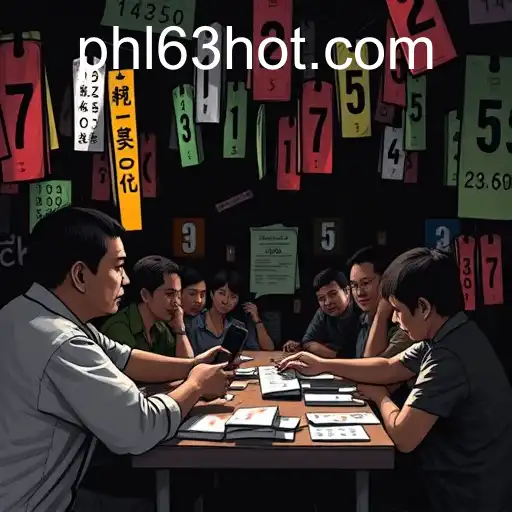
Jueteng, an illicit numbers game deeply rooted in Filipino culture, continues to thrive despite numerous governmental efforts to eradicate it. Renowned for its ubiquity and the complex network of players, financiers, and draw organizers, Jueteng remains an integral component of the socio-political tapestry of the Philippines.
At its core, Jueteng originates from the Spanish word jugar, meaning to play, and the Chinese word teng, implying a wager. The game encapsulates a simple lottery-style structure where participants select a combination of numbers, typically ranging from one to thirty-seven. A pair of numbers is drawn, and winners are determined based on their selection matching the drawn numbers.
The accessibility and straightforward nature of Jueteng contribute to its widespread appeal, especially in economically disadvantaged regions. Unlike state-sanctioned lotteries, Jueteng caters to a wider audience, allowing participants to place small bets, thus making gambling accessible to nearly all segments of society.
Jueteng is more than just a game of chance; it serves as a microcosm of socioeconomic conditions in the Philippines. For many, it offers a glimmer of hope amidst poverty, providing an opportunity, albeit slim, for financial respite. Furthermore, the game functions as an informal economic institution, providing livelihood to numerous individuals involved in its operations.
While its contribution to the informal economy cannot be dismissed, Jueteng also perpetuates a cycle of economic dependency and social inequities. Critics argue that instead of addressing systemic poverty and unemployment, the reliance on Jueteng often detracts from substantial economic development initiatives.
The tentacles of Jueteng extend beyond economic implications, infiltrating the political arena. Political figures and local officials have historically been linked to the Jueteng network, either as beneficiaries receiving protection money or as active participants facilitating its operations. This entanglement fosters a culture of corruption, undermining governance and the rule of law.
Efforts to combat Jueteng frequently encounter resistance due to the symbiotic relationship between operators and political patrons. The challenges are exacerbated by the clandestine nature of the game, making enforcement and eradication efforts arduous for law enforcement agencies.
Within the world of Jueteng, certain numbers gain notoriety, referred to as 'hot numbers', due to superstition or alleged market manipulation. The phenomenon of a particular combination, such as 63HOT, generating intense interest can sway public perception and influence betting trends. Some believe these hot numbers are a result of syndicate manipulation, aiming to heighten the frenzy among bettors hoping for a miraculous win.
While evidence of such manipulation remains speculative, the allure of hot numbers is undeniable. They perpetuate the enticing nature of Jueteng, encouraging players to chase the elusive dream of striking it rich through predictions that rest on unfounded assurance or sheer chance.
The persistence of Jueteng poses a significant challenge for Philippine legislators and law enforcement agencies. Over the years, a slew of crackdowns and legislative measures have been attempted to curb its influence, yet most have achieved only limited success. Efforts to legalize and regulate Jueteng have sparked contentious debates, considering the implications for morality, legality, and economic impact.
Advocates for regulation posit that controlling the game could lead to increased revenues for the state and better oversight of gambling activities. However, strong opposition stems from concerns over legitimizing gambling and exacerbating societal ills related to addiction and economic exploitation of vulnerable populations.
Despite its illicit nature, Jueteng has cemented itself into the cultural fabric of the Philippines. Its narratives transcend mere gambling activities, reflecting broader themes of hope, risk, and the enduring human spirit. In communities where Jueteng thrives, it represents a social activity, a ritual that brings people together in anticipation and shared experiences.
The game has inspired a range of cultural portrayals in Filipino arts, literature, and cinema, often depicted both as a social vice and an embodiment of everyday Filipino life. These cultural artifacts capture the nuanced relationship between individuals and the game, illustrating its far-reaching influence on collective consciousness.
As a persistent element of Filipino societal dynamics, Jueteng demonstrates the intricate interplay between cultural tradition, economic necessity, and political discourse. Its continued existence challenges societal norms and regulatory frameworks, posing questions about the future trajectory of gambling in the country.
While solutions remain elusive, the conversation surrounding Jueteng is as vibrant as ever. Whether considered a scourge or a cultural staple, Jueteng undeniably occupies a pivotal role in the narrative of contemporary Philippine society.
If you're looking for a reliable, fully licensed, and secure sportsbook with a wide selection of games, 63HOT is the perfect choice. We're committed to providing you with the best online betting experience, with premium quality, excellent service, and continuous innovation. Sign up now and receive ₱777 for free!
Join now
Get the latest information, experience and betting strategies from the expert team at 63HOT.
Explore the world of EgyptianSunSE, a captivating new game where strategy meets ancient Egyptian lore, featuring unique gameplay elements and the intriguing mechanic of the 63HOT keyword.

Dive into the world of MilkyFarmBuyFeature with our in-depth look at its captivating gameplay and innovative features. Discover the rules and strategies that make this game a must-play in the ever-evolving gaming landscape.

Explore the captivating universe of GodofWarM, the latest sensation in video gaming, with its stunning graphics, immersive gameplay, and the innovative 63HOT feature.

Explore the captivating world of TheMagicians, a game that combines strategy and magic with the enticing 63HOT keyword.

Explore the captivating world of MoonlightTreasure, a unique game experience tailored for thrill-seekers. With the keyword '63HOT', players immerse themselves in a realm of mystique and adventure.

Uncover the thrilling gameplay, unique features, and engaging rules of JuicyGemsBonusBuy with our in-depth article. Featuring bonus rounds, special symbol dynamics, and current gaming trends.
 Join now